Conceive the ‘Acintya’ !

The term Acintya is generally confused with something which is not logically comprehensible or which is inconceivable, but neither of these understandings is completely correct. The question regarding what is acintya, what is the actual meaning of the term, and what do the Chaitanyites mean by acintya, all such questions are being addressed in the following brief article it is presented in question and answer … Continue reading Conceive the ‘Acintya’ !

From Śyāmsundara to Gaurasundara

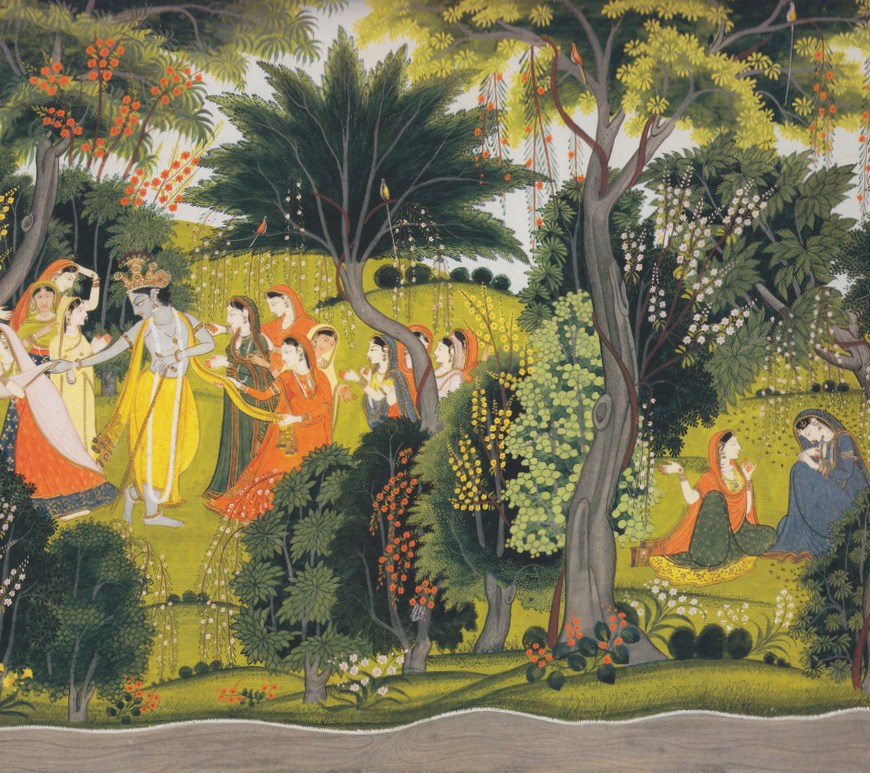
The Supreme Lord Śrī Kṛṣṇacandra, the pinnacle of relishable mellows (rasika-śekhara), relishes the rasa of līlā in His svarūpa (original form), in countless forms of his divine expansions (bhagavat-svarūpa-rūpa), and with innumerable associates (parikara-rūpa). Even in His svarūpa, He relishes the līlā-rasa in two manifestations — Regarding the Supreme Lord, Śrīla Rāmānanda Rāya has stated: নানা-ভক্তের রসামৃত নানাবিধ হয় ।সেই সব রসামৃতের ‘বিষয়’ ‘আশ্রয়’ nānā-bhaktera … Continue reading From Śyāmsundara to Gaurasundara

Introduction to Kenopanishad

This Upanishad belongs to Sama Veda.This is the 9th chapter of the Talavakara-Brahmana in the Sama-Veda. The first sound of this Upanishad is “Kena” for which this part of Upanishad is commonly known as “Kenopanishad”. This Upanishad is having four Divisions. In the lst Division there are only 8 Mantras ; in the 2nd 5 Mantras; in the 3rd 12 Mantras and in the 4th … Continue reading Introduction to Kenopanishad

Introduction to Ishopanishad

Isha-Upanishad, also known as Ishavasya derives its name from the very first word of the text Ishavashyamidam. It belongs to the Vajasaneyi school of the Yajur Veda. It is the last chapter of the Vajasaneya Samhita. Though it is the smallest of all the Upanishads consisting of eighteen short verses only, yet it contains many important items of information which bring a thrilling of joy … Continue reading Introduction to Ishopanishad